
The need for uniformity
For hundreds of stores to taste the same, recipes must be simplified so anyone can reproduce them, and depth goes first.
The deep flavor traditional head restaurants have kept alive in a sea of franchises, and how we carry it across the ocean unchanged.
Korea is often called a ‘republic of franchises’, its streets lined with the same franchise signs. Amid that wave, there are head restaurants that have kept a deep flavor alive in one place for decades.
It's not about which is right; they just take different paths. Our focus is the path of depth.
For hundreds of stores to taste the same, recipes must be simplified so anyone can reproduce them, and depth goes first.
The faster the push to open stores, the more the ‘taste of time’ from long simmering and aging becomes a cost.
The moment sauces are made centrally and shipped, they drift further from the head restaurant kitchen's touch.
Yet many head restaurants with deep flavor turn down franchising and stay a single shop. Why? And is that depth really reaching across the ocean?
With interest sparked by K-dramas and K-pop, Korean restaurants in the U.S. are multiplying fast. But is their food ‘the real thing’ people knew in Korea?
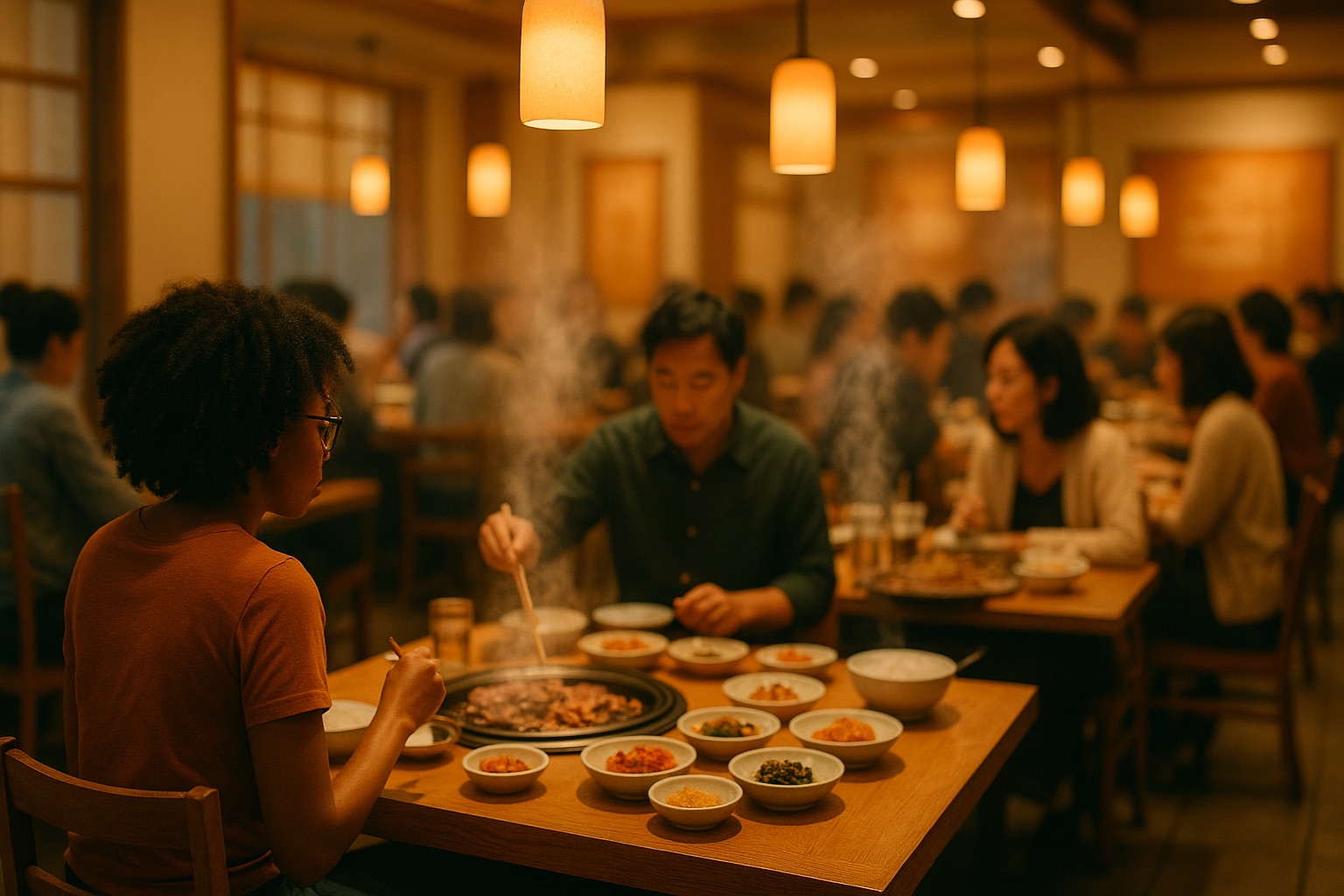
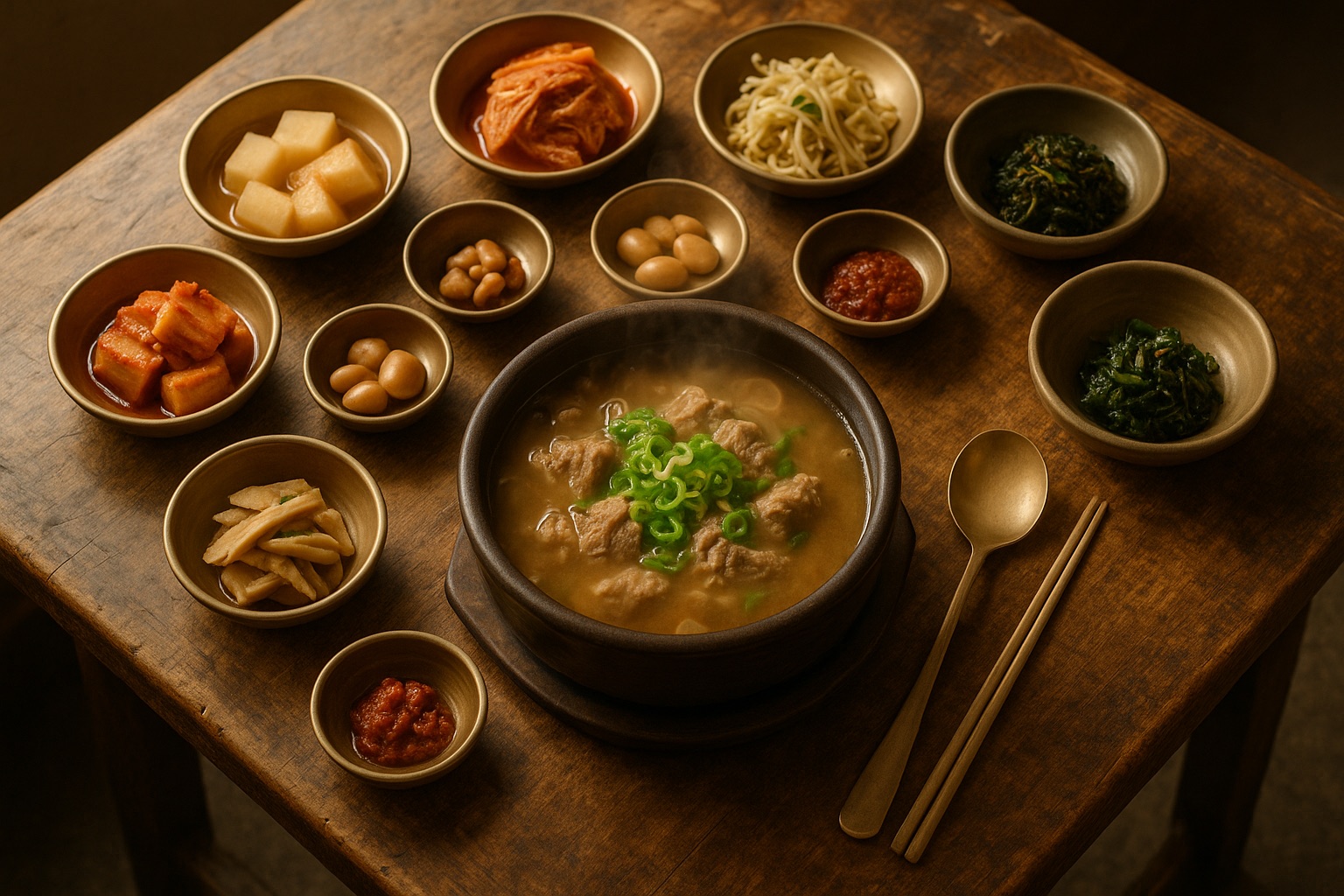
People who found Korean food through K-culture want not a watered-down version but ‘the deep flavor, just as in Korea.’ That demand may be unusually strong.
Each was set up with real care. The sweat, passion and pioneering spirit of those who worked so hard and built success in America deserve genuine respect.
Korea's deep flavors rest on long years and hard-won skill. The head restaurants that have held their ground in the home of Korean food, winning over demanding Korean palates for years, are mostly still in Korea.
The longer the lines at a head restaurant in Korea, the less reason it has to leave it all behind and start over in an unfamiliar country. So that deep flavor hasn't crossed the ocean yet.
Not something to state as fact, but worth asking.
This gap is the demand that has yet to be met.
The taste of ‘that place’ they found while traveling or studying, not something like it but the very same.
The exact taste of home: a longing a half-hearted imitation can't satisfy.
An affectionate curiosity to taste, ‘properly,’ the food they saw on screen.
We answer that demand with ‘deep flavor, just as it is in Korea.’
Why have so many head restaurants with deep flavors turned down franchising and stayed a single shop? There were reasons, in how the business works and in how people feel.
A head restaurant is built around the taste of one bowl, the care in it and regulars who return. Running a franchise (recruiting, hygiene, sales, ingredient supply) takes a completely different organization.
In a small country, people travel from everywhere to a famous restaurant, so franchise locations would only eat into the head restaurant's own sales.
Years of hard work and recognition bring financial comfort. It's only human to see less reason to take on the stress of franchising.
So the deeper the flavor, the more likely it was to stay a single shop.
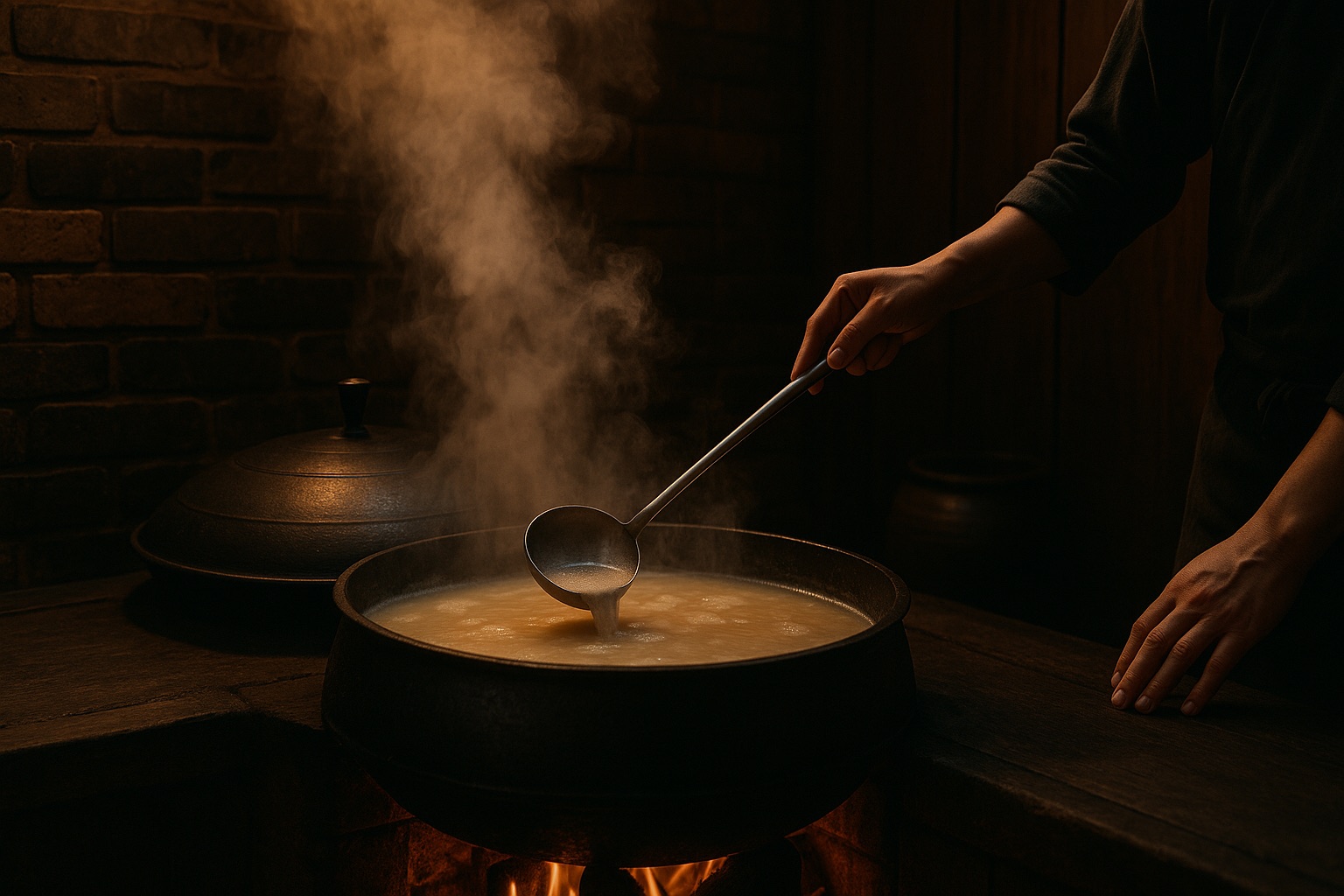
The years poured into each bowl stayed in one place.
So the care poured into each bowl over the years can reach more people in a wider world. Then how do we keep that deep flavor ‘exactly the same’ in many places?
Here is the answer. Over time memory fades a little, and small differences add up until the taste drifts from the head restaurant's. So we build in a way to ‘measure the taste and close the gap again.’
The AI compares the head restaurant's standard dish with the learner's and turns the difference into a score you can see.
0–100 points · grades A·B·C·DRegular retraining pulls the cooking back to the head restaurant's standard before the gap grows; a franchisee's regular retraining is the commitment that keeps the taste the same.
about every 3 months · 2-week grace periodConsistent taste isn't a vague promise. It's kept through a steady process of measuring and closing the gap.